Unlocking Student Success Through Data: My Online Course Engagement Analysis Project
I recently completed an in-depth exploratory data analysis of online course engagement patterns using a dataset of 9000 student records. This project aimed to uncover the key drivers behind course completion and identify actionable insights for improving learner retention in digital education platforms.
The dataset included rich behavioral metrics such as time spent on course content number of videos watched number of quizzes taken quiz scores completion rate device type and course category spanning Programming Business Science Arts and Health. My analysis began with comprehensive data exploration to understand distributions relationships and potential outliers across all features.
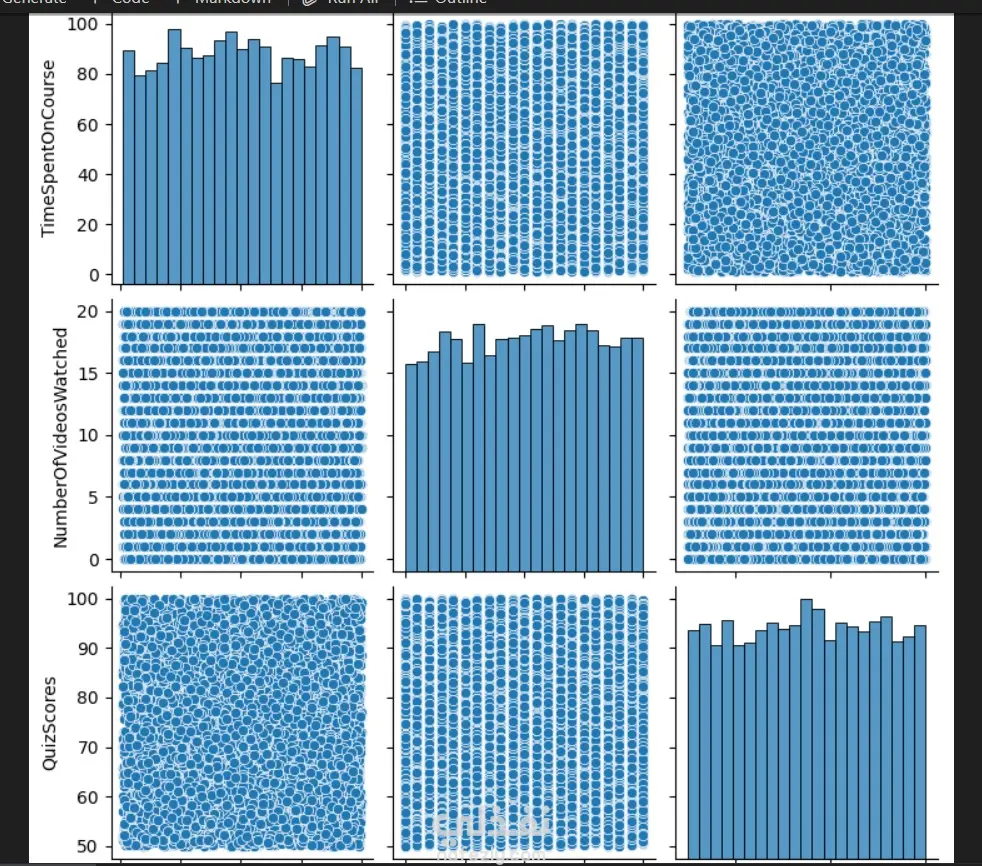
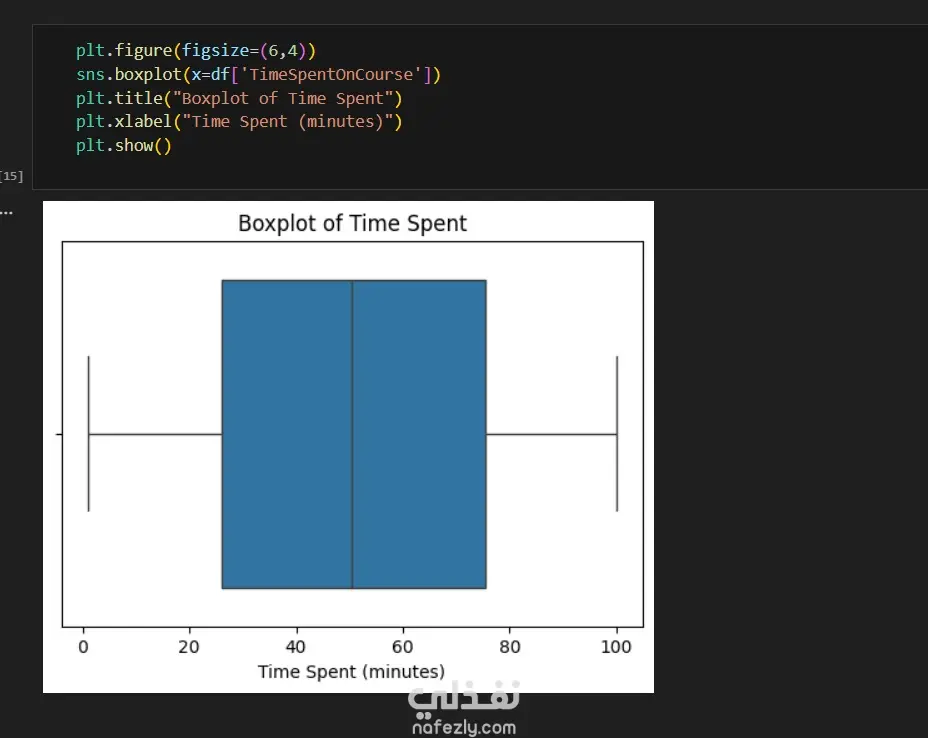
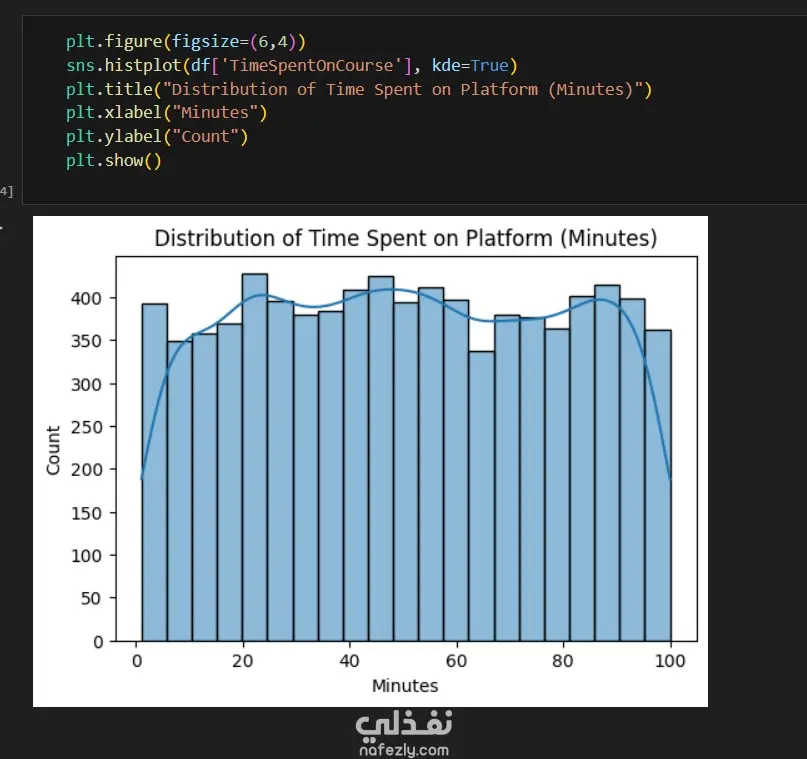
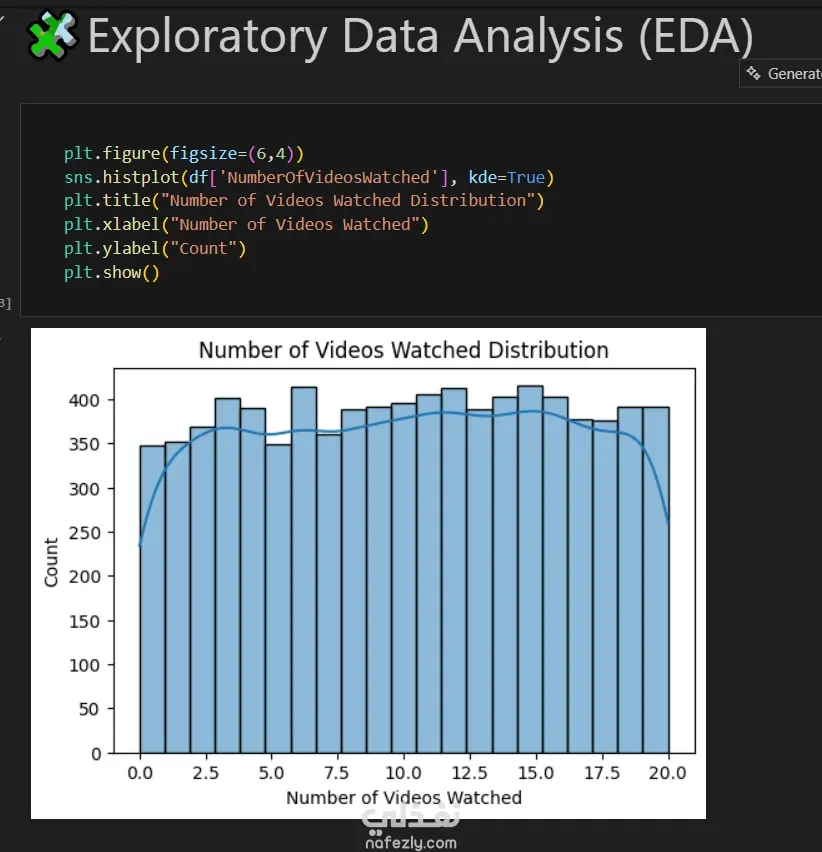
I developed multiple visualizations including correlation heatmaps scatter plots histograms and box plots to reveal hidden patterns in student behavior. One of the most valuable steps was feature engineering where I created a composite activity score that weighted time spent videos watched and quizzes taken to produce a holistic engagement metric. This engineered feature proved highly effective in distinguishing between students who completed their courses versus those who dropped out.
Statistical testing including normality tests and t-tests helped validate significant differences in engagement patterns between completers and non-completers. The analysis revealed strong positive correlations between active participation metrics and course completion with time spent on course content emerging as one of the most influential factors.
This project demonstrates how educational technology platforms can leverage behavioral data to identify at-risk students early predict completion likelihood and design targeted interventions to boost retention. For institutions and EdTech companies understanding these engagement patterns is critical for improving learning outcomes and maximizing the impact of online education especially in today's digital-first learning environment.
Built with Python pandas matplotlib seaborn and SciPy this analysis lays the foundation for predictive modeling to forecast student success and personalize learning experiences at scale.
If you work in EdTech data science education technology or are passionate about using analytics to improve learning outcomes I would love to connect and exchange ideas about the future of data-driven education.