fetal_health_classification
تفاصيل العمل
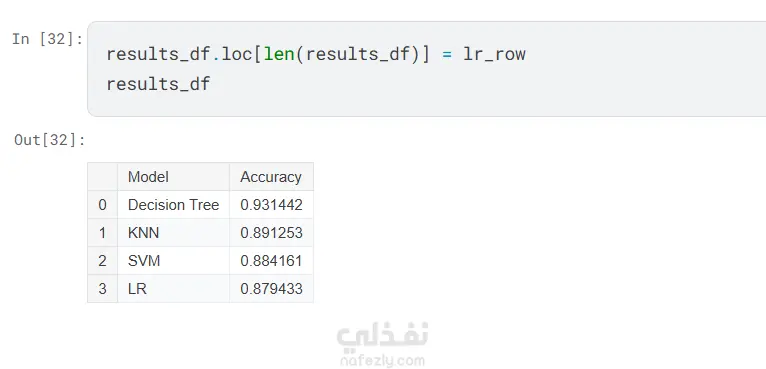
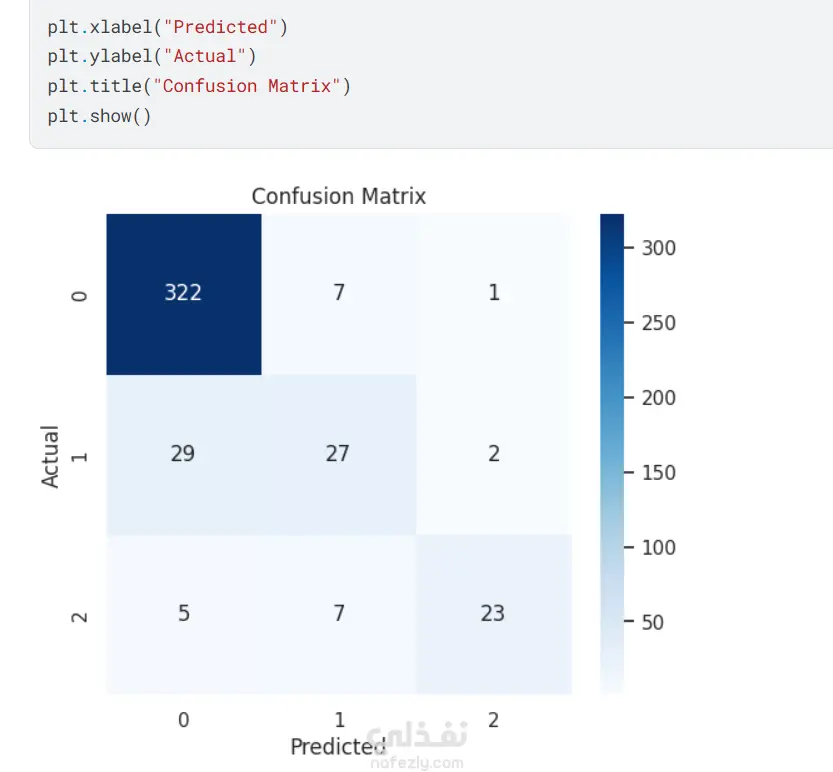
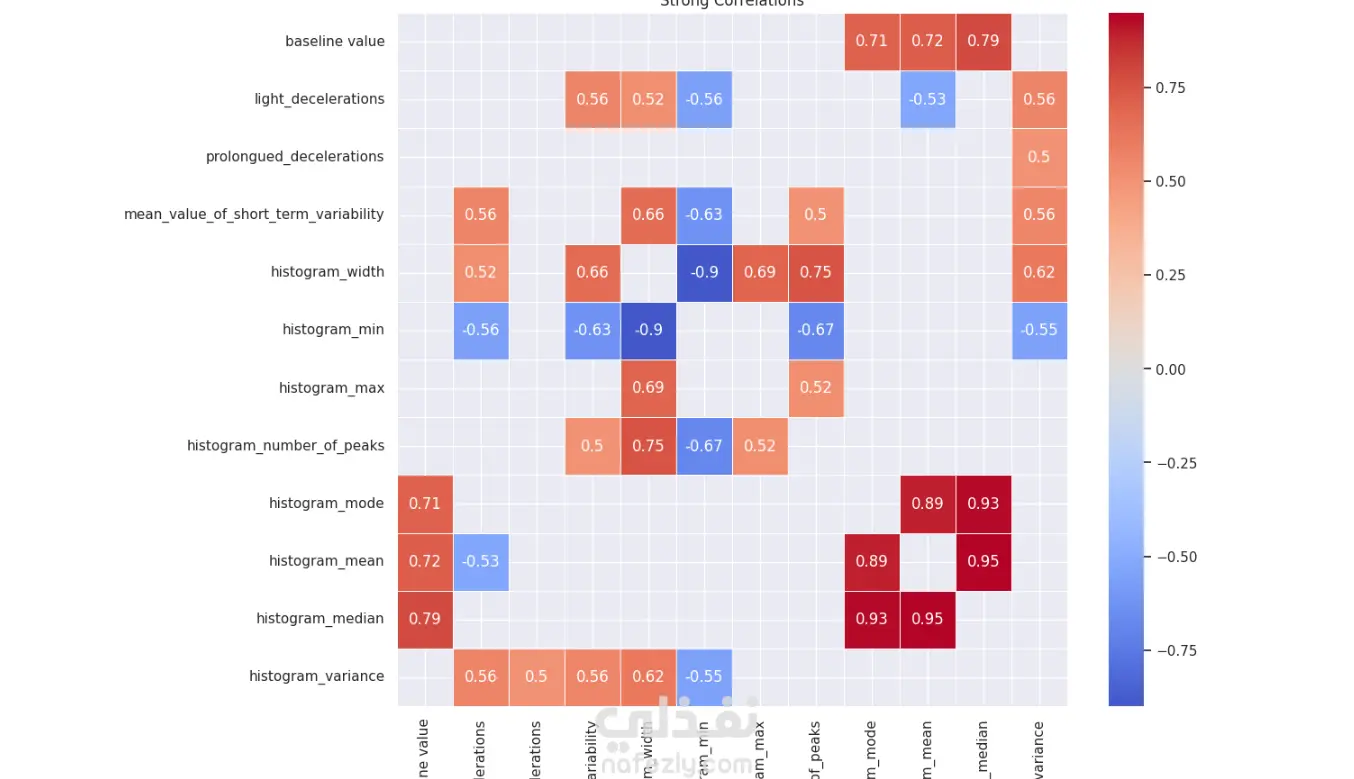
This project focuses on building a machine learning model to classify fetal health conditions using Cardiotocography (CTG) data. The dataset contains 2126 records with 22 features extracted from CTG exams, which monitor fetal heart rate, fetal movements, and uterine contractions during pregnancy. Each record is labeled by medical experts into one of three classes: Normal, Suspect, or Pathological. The project started with exploratory data analysis (EDA) to understand the distribution of features and detect relationships between variables. Visualization techniques and statistical summaries were used to identify patterns and correlations within the dataset. During the preprocessing stage, the dataset was cleaned and prepared for machine learning. The target variable represents fetal health status, and the features include physiological measurements such as baseline fetal heart rate, accelerations, uterine contractions, and variability indicators extracted from CTG signals. Several machine learning classification models were trained and evaluated to predict fetal health conditions. The dataset was split into training and testing sets, and model performance was assessed using evaluation metrics such as Accuracy, Precision, Recall, and F1-score. These metrics helped measure how effectively the models distinguish between normal and risky fetal conditions. The goal of this project is to demonstrate how machine learning can assist in early detection of fetal health risks, supporting healthcare professionals in making better clinical decisions and improving prenatal monitoring systems. Overall, the project presents a complete machine learning workflow including data exploration, preprocessing, model training, and evaluation for a real-world healthcare classification problem.
بطاقة العمل

طلب عمل مماثل